Choosing Between Sag Harbor and East Hampton
Choosing between Sag Harbor and East Hampton is one of the most important decisions for buyers exploring the Hamptons. Both are highly desirable coastal markets with strong long-term demand, limited inventory, and premium lifestyle appeal, yet the experience of living in each is noticeably different once you look beyond surface-level comparisons.
For buyers evaluating Hamptons real estate, this decision usually comes down to how you want your daily life to feel: walkable village energy versus seasonal oceanfront luxury, quieter consistency versus high-season vibrancy, and compact charm versus expansive estate living.
This guide breaks down both markets in detail so you can understand not just pricing, but the lifestyle, housing patterns, and long-term value dynamics behind each area.
Quick Snapshot of Both Markets
Before diving into details, it helps to understand how these two Hamptons villages differ at a high level. While they are only a short drive apart, their housing stock and buyer profiles are distinct.
Sag Harbor at a Glance
Sag Harbor is a historic waterfront village known for its strong year-round community feel. Unlike some Hamptons destinations that slow down significantly in the off-season, Sag Harbor maintains a steady rhythm throughout the year. The village core is walkable, with local restaurants, boutiques, and marinas forming the center of daily life.
Housing in Sag Harbor tends to include a mix of restored historic homes, modest but charming cottages, and renovated waterfront properties. Buyers are often drawn to its authenticity and the ability to live close to both nature and town amenities without needing to drive frequently.
East Hampton at a Glance
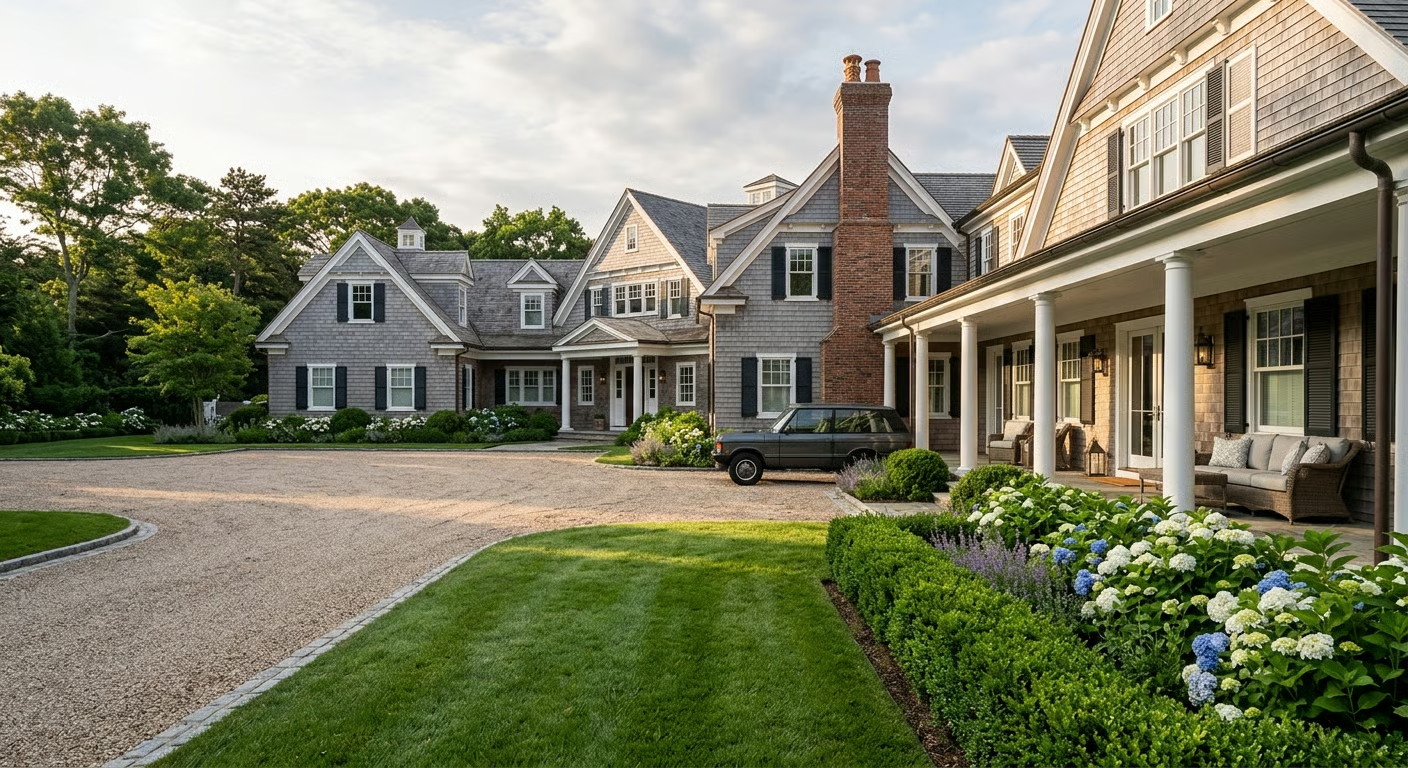
East Hampton offers a broader and more diverse real estate landscape. It includes everything from traditional village homes to expansive multi-acre estates near the ocean. The market is more segmented, with clear distinctions between village, pond-front, and oceanfront properties.
This area is often associated with luxury coastal living, particularly around Georgica and the Atlantic-facing shoreline. It attracts a strong seasonal population, with activity peaking in the summer months when beaches, restaurants, and social life are at their busiest.
Lifestyle and Everyday Living Differences
While pricing and property types matter, lifestyle is usually the deciding factor for most buyers comparing these two areas. The difference is not subtle it influences everything from traffic patterns to how often local businesses stay open year-round.
Year-Round Community in Sag Harbor
Sag Harbor is often described as one of the more livable year-round villages in the Hamptons. Even outside peak summer months, there is consistent activity in the harbor, schools, and Main Street area. This makes it especially attractive to full-time residents or buyers who want more than just a seasonal retreat.
Daily life here feels balanced and grounded. You can walk to dinner, spend time by the water, or engage in local community events without feeling like the village is shutting down after Labor Day. That consistency is one of its biggest advantages.
Another key element is its strong maritime identity. Boating culture is deeply embedded in Sag Harbor’s lifestyle, and many homes are designed with this in mind, offering easy access to docks, marinas, or protected bay waters.
Seasonal Energy in East Hampton
East Hampton, by contrast, operates on a more pronounced seasonal cycle. In the summer months, it becomes one of the most active and high-profile destinations in the Hamptons. Beaches are busy, restaurants are fully booked, and the social atmosphere is significantly elevated.
However, this energy shifts in the off-season when the pace slows considerably. For some buyers, this is exactly the appeal it offers intense summer activity followed by quieter months for privacy and relaxation.
The lifestyle here is often centered around the ocean, beach clubs, and large estate properties that prioritize privacy and space. It’s less about walkability and more about access, scale, and exclusivity.
Real Estate Market Overview
Both Sag Harbor and East Hampton operate within high-demand, supply-constrained markets, but their pricing structures and buyer behavior differ in meaningful ways.
East Hampton Property Landscape
The East Hampton market is defined by its luxury segmentation. Oceanfront properties, estates near Georgica Pond, and homes within East Hampton Village consistently command premium pricing due to scarcity and location prestige.
A key characteristic of this market is competition for turnkey properties. Buyers are often looking for homes that require minimal renovation, particularly in prime locations where land availability is extremely limited. As a result, well-positioned listings can move quickly when priced appropriately.
The market also experiences sharper pricing tiers. A home a few blocks from the ocean can differ significantly in value compared to one inland, even within the same general area.
Sag Harbor Property Landscape
Sag Harbor’s market is smaller but highly competitive due to limited inventory. The village core, waterfront areas, and North Haven tend to attract the most demand, particularly among buyers seeking walkability and charm.
Homes here often reflect a more architectural mix, with historic properties playing a larger role in the market compared to East Hampton’s newer luxury builds. Renovated homes tend to perform especially well, as buyers are willing to pay a premium for move-in-ready condition within the village.
Unlike East Hampton, pricing in Sag Harbor tends to feel more compressed, with fewer extreme highs and lows, though waterfront properties still command significant premiums.
Neighborhood Character and Micro-Markets
Understanding micro-locations is essential in both villages, as even short distances can significantly change lifestyle and pricing dynamics.
Sag Harbor Neighborhoods
Sag Harbor’s most desirable areas include the historic village core, where walkability and charm are the primary drivers of value. North Haven offers a more private and residential experience, often with larger lots and ferry access for commuters or seasonal travelers.
Bay-front areas and waterfront enclaves are also highly sought after, particularly for buyers prioritizing boating access and water views. These areas tend to have lower turnover due to long-term ownership patterns.
East Hampton Neighborhoods
East Hampton offers a wider range of neighborhood types. The village center is ideal for those who want proximity to restaurants and shops, while Georgica represents one of the most exclusive luxury enclaves in the Hamptons.
Northwest Woods provides a quieter, more wooded environment with larger parcels of land, appealing to buyers who prioritize privacy over walkability. Meanwhile, Amagansett-adjacent areas blend beach access with a slightly more relaxed atmosphere compared to the core village.
Beaches, Recreation, and Outdoor Lifestyle
Coastal access is one of the biggest lifestyle drivers in both markets, but the type of beach experience differs significantly.
Sag Harbor Bay-Focused Living
Sag Harbor is centered around the bay, which creates a calmer and more sheltered waterfront environment. This is ideal for boating, kayaking, paddleboarding, and more relaxed water activities.
Beaches in this area tend to feel more local and less crowded. Havens Beach is a good example, offering a quieter setting compared to the oceanfront beaches in neighboring villages.
East Hampton Oceanfront Appeal
East Hampton is known for its Atlantic-facing beaches, which are more dramatic and expansive. Main Beach is one of the most iconic in the Hamptons, offering wide sandy shores and strong seasonal activity.
Georgica Beach is another standout, known for its exclusivity and natural beauty. These beaches play a major role in shaping the area's luxury identity and are a key reason many buyers choose East Hampton over other Hamptons villages.
Schools, Taxes, and Practical Living
Beyond lifestyle and real estate, practical considerations also play an important role in buyer decisions.
Education and Community Infrastructure
Sag Harbor is served by the Sag Harbor Union Free School District, while East Hampton falls under the East Hampton Union Free School District. Both districts are relatively small, community-focused, and influenced by coastal living environments.
Families often consider not just academics but also commute patterns, extracurricular activities, and seasonal population changes when choosing between the two.
Cost Considerations and Commuting
Commute times to New York City are similar for both locations, generally ranging between 2.5 and 3.5 hours depending on traffic, ferry usage, and seasonality.
Property taxes vary depending on specific property assessments, but coastal homes in both areas often fall within similar ranges. Insurance costs can be higher for waterfront or flood-zone properties, which is an important factor for buyers considering oceanfront or bayfront homes.
Investment Outlook and Long-Term Value
From an investment perspective, both Sag Harbor and East Hampton offer strong fundamentals, supported by limited land availability and sustained demand from second-home and luxury buyers.
Sag Harbor Long-Term Stability
Sag Harbor tends to offer steady long-term appreciation driven by consistent demand for village living. Its year-round appeal helps stabilize value, particularly in walkable neighborhoods and waterfront areas where supply remains tight.
East Hampton Luxury Performance
East Hampton offers stronger upside potential in the ultra-luxury segment, especially for oceanfront estates or uniquely positioned properties. However, it also experiences more pronounced seasonal fluctuations compared to Sag Harbor’s steadier market rhythm.
Final Takeaway: Which One Is Right for You?
Both Sag Harbor and East Hampton are exceptional real estate markets, but they serve different lifestyles rather than competing directly in the same category.
Sag Harbor is best suited for buyers seeking a consistent, walkable village environment with strong community energy and boating access. East Hampton is ideal for those who prioritize oceanfront luxury, larger estates, and a more seasonal yet high-energy summer lifestyle.
Ultimately, the right choice comes down to how you want to experience life in the Hamptons steady village rhythm or expansive coastal luxury.
For more local guidance and curated real estate insights, CeejackTeam helps buyers and sellers navigate both Sag Harbor and East Hampton with a clear, market-driven approach tailored to individual lifestyle goals.