
Email
ceejackteam@compass.com
Call
(516) 457-7111
_sig.jpg)
Three adjoining bayfront subdivisions occupy the eastern portion of the village, northeast of Hampton and Hempstead Streets and running down to the eastern end of Havens Beach. Together they cover roughly 154 acres and form a National Register historic district, listed in 2019 as the Sag Harbor Hills, Azurest, and Ninevah Beach Subdivisions Historic District, and known locally as SANS.
The history here is genuinely significant, and it is why the district exists. In 1947 Maude Terry, a Brooklyn schoolteacher who had been vacationing in nearby Eastville, saw the possibility of a beach community on twenty acres of undeveloped woodland between Hampton Street and Gardiners Bay. She negotiated the land from the Gale family and worked with her sister Amaza Lee Meredith, one of the first professional African American women architects in the country, who laid out the lots to give as many households as possible access to the water and designed several of the earliest cottages. Because banks of the period routinely refused mortgages to Black buyers, the founders organized their own financing through the Azurest Syndicate. Sag Harbor Hills, the Sag Harbor Beach Club, and Ninevah Beach followed immediately east between 1949 and 1952, developed by the Sag Harbor Development Company, and more than three hundred families eventually bought land across the three subdivisions. It is one of the last African American beachfront communities left in the United States, which is what the National Register listing recognizes.
The housing reflects that history directly. Most of it is one and two-story wood-frame construction built between the 1940s and the 1970s in ranch, Cape Cod, and mid-century modern styles, set back around thirty-five feet on wooded lots, alongside later construction and substantial renovations. Meredith designed several Azurest houses, the artist Frank Wimberly designed his own home on Hillside Drive East around 1960, and the Terry family cottage is still in the family. Bay frontage and beach association access define the area practically.
One thing every buyer here must check before planning any work: the Village has adopted a Historically Black Beachfront Communities Overlay District covering these three subdivisions, intended to conserve their scale and character. It affects development standards, so confirm with the Village Building Department what it permits before you commit to a plan.
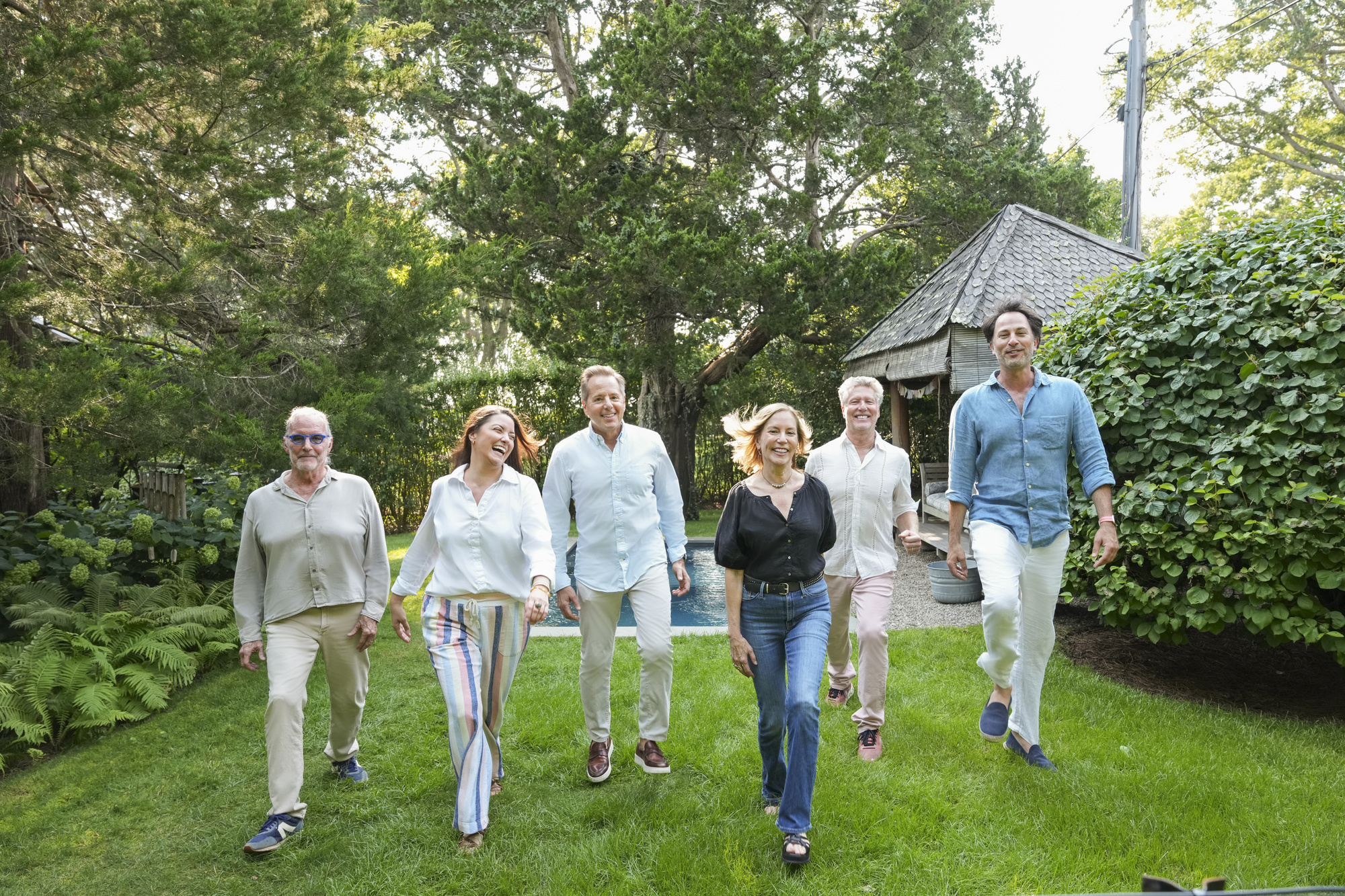
Jack and Cee both come from service-oriented backgrounds — fashion and art — which gives them specialized tools for working with savvy clients and customers. This discerning eye for detail, quality and value produces excellent results and homeowner satisfaction.
Contact Us