
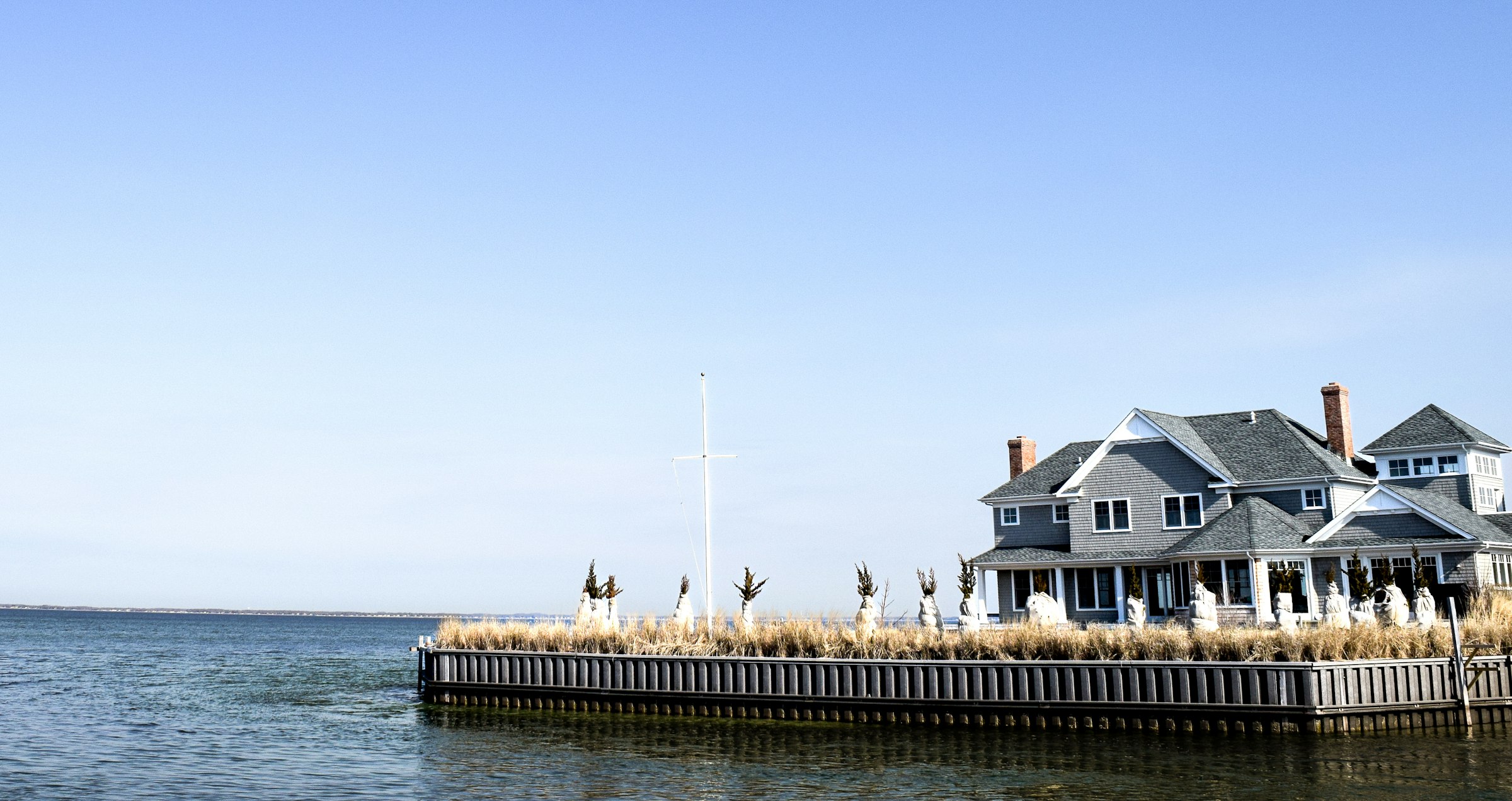
If you are exploring Southampton homes for sale, understanding the local geography is one of the most important first steps. The name "Southampton" can refer to two different places: the Town of Southampton and the Village of Southampton.
The Town of Southampton is a large municipality located on the South Fork of Long Island and includes multiple hamlets and communities such as Southampton Village, Water Mill, Bridgehampton, North Sea, Shinnecock Hills, Hampton Bays, Flanders, Riverside, Noyack, and others. The Village of Southampton is a separate incorporated village located within the Town.
This distinction matters because real estate prices, taxes, schools, beach access, rental regulations, and ownership considerations can vary significantly depending on the exact location. A property marketed as being in "Southampton" may be located within the Village or elsewhere in the Town, creating very different buying experiences.
This guide explains what buyers should know before purchasing a home in Southampton, including neighborhoods, property types, taxes, closing costs, septic considerations, rental regulations, transportation, and other factors that influence ownership in this Hamptons community.
Understanding the Southampton Real Estate Market
The Southampton real estate market represents a wide range of properties rather than one single housing market. The Town of Southampton includes waterfront estates, historic homes, luxury new construction, traditional Hamptons-style residences, and year-round properties across different communities.
Because the Town covers a large geographic area, buyers should always confirm whether market statistics refer to the Town of Southampton or the Village of Southampton. A median sale price or inventory figure for the entire Town may include properties from communities with very different price points and characteristics.
For example, waterfront estates in areas such as Shinnecock Hills or Water Mill may represent a different segment of the market compared with homes in other parts of the Town. Buyers should evaluate recent comparable sales for the specific neighborhood and property type rather than relying only on broad market averages.
Market activity in Southampton is also seasonal. Spring and summer generally bring increased listing activity as buyers and sellers prepare for the primary Hamptons market season. However, buyers should consider property condition, comparable sales, ownership costs, and long-term suitability rather than relying only on seasonal trends.
How Seasonality Influences Buying Decisions
The Southampton market changes throughout the year. During peak months, desirable homes can attract significant buyer interest, especially properties with waterfront access, updated interiors, outdoor amenities, or desirable locations.
The winter market can provide opportunities for buyers who prefer a less competitive environment. However, inventory may be more limited, particularly for buyers seeking specific neighborhoods or property features.
A successful purchase strategy usually depends on understanding the property's location, value, condition, and future ownership costs rather than attempting to predict short-term market movements.
Southampton Village and Town Neighborhoods
Understanding the difference between Southampton Village and other communities within the Town is essential when comparing properties.
Southampton Village
Southampton Village is an incorporated village known for its historic character, walkable downtown area, restaurants, shopping, parks, and proximity to coastal amenities.
Properties within the Village can include historic residences, renovated homes, traditional Hamptons-style properties, and luxury new construction. Buyers often consider the Village for its convenience and access to community amenities.
However, buyers should confirm property-specific details before purchasing. Beach access, parking privileges, taxes, and municipal services can depend on the exact address and whether the property is located within the Village or elsewhere in the Town.
North Sea
North Sea is a residential community within the Town of Southampton that offers a quieter setting while remaining close to Southampton Village and other Hamptons destinations.
Homes in North Sea can include larger lots, waterfront properties, and residences offering additional privacy. Because North Sea is located within the Town rather than the Village, buyers should verify the property's tax structure, school assignment, services, and beach-access eligibility.
Shinnecock Hills
Shinnecock Hills is recognized for its elevated landscape, coastal surroundings, luxury properties, and connection to Shinnecock Hills Golf Club.
The area gained additional national attention in June 2026 when Shinnecock Hills Golf Club hosted the 126th U.S. Open Championship from June 18 through June 21, 2026. This marked the sixth U.S. Open held at the historic club.
For buyers considering Shinnecock Hills, location-specific due diligence remains important. Buyers should review drainage conditions, flood exposure, insurance requirements, and property-specific restrictions before purchasing.
Water Mill
Water Mill is a hamlet within the Town of Southampton and is not a separate municipality outside Southampton. It is frequently considered alongside Southampton Village because of its luxury homes, larger parcels, vineyards, equestrian properties, and proximity to major Hamptons destinations.
Buyers comparing Water Mill with Southampton Village should evaluate the exact property location rather than treating them as identical markets. Differences in taxes, schools, beach access, and local regulations can affect the overall ownership experience.
Types of Homes Available in Southampton
The Town of Southampton offers a diverse selection of residential properties, ranging from historic homes and traditional Hamptons-style residences to waterfront estates and modern luxury construction.
Because Southampton includes multiple communities, buyers should evaluate properties based on their specific location, not only the broader Southampton name. Factors such as beach access, taxes, school district assignment, rental rules, and maintenance requirements can vary depending on where a property is located.
Historic Homes With Hamptons Character
Many older Southampton properties feature traditional architectural elements such as cedar-shingle exteriors, mature landscaping, fireplaces, and classic coastal design details.
While these homes often provide unique character, buyers should complete thorough due diligence before purchasing. Inspections should evaluate major systems, including roofing, electrical components, plumbing, heating and cooling systems, drainage, foundations, and septic infrastructure.
Older properties may also require updates to meet modern expectations for energy efficiency, technology, and lifestyle needs. Understanding potential improvement costs before closing can help buyers make more informed decisions.
Luxury New Construction
Luxury new construction continues to be an important part of the Southampton market. These properties often include contemporary layouts, premium finishes, updated technology, outdoor entertainment spaces, pools, and modern building systems.
However, newer construction still requires careful review. Buyers should confirm permits, certificates of occupancy, site plans, drainage plans, landscaping requirements, and any local regulations that may affect future improvements.
Waterfront Properties
Waterfront homes remain among the most desirable properties in Southampton due to their views, coastal lifestyle, and limited availability.
However, waterfront ownership also requires additional planning. Buyers should review flood-zone information, insurance requirements, elevation details, drainage conditions, storm history, and potential coastal restrictions before purchasing.
A waterfront property may provide exceptional lifestyle benefits, but understanding long-term maintenance and ownership responsibilities is essential.
Schools and Property Location
School information in Southampton depends on the exact property address. The Town of Southampton includes multiple school districts, meaning buyers should not assume that every property marketed as being in Southampton follows the same school structure.
The Southampton Union Free School District serves Southampton Village and surrounding areas, while other properties within the Town may fall under neighboring districts.
The East End school system can be more complex than many buyers expect. Some smaller districts serve specific communities or only certain grade levels, with students attending other districts for secondary education through established arrangements.
Because school assignments are address-specific, buyers should verify the assigned district, grade structure, transportation options, and enrollment requirements directly before purchasing a property.
Property Taxes and Ownership Costs
Property taxes are an important consideration when evaluating homes for sale in Southampton. The Town of Southampton includes multiple taxing districts, including school, fire, ambulance, water, and other local service districts, which can affect the final annual tax obligation.
Two properties with similar purchase prices may have different tax bills depending on their location and district structure. Buyers should review the actual property tax history for the specific home rather than relying only on general estimates.
Primary-residence buyers may qualify for certain New York State and local programs, including STAR-related exemptions, depending on eligibility requirements. However, many Hamptons buyers purchase second homes, meaning they may not qualify for primary-residence exemptions.
Beyond taxes, buyers should also plan for ongoing ownership costs such as insurance, landscaping, pool maintenance, seasonal care, repairs, and septic system expenses.
Peconic Bay Community Preservation Fund Tax
One of the most important closing costs for Southampton buyers is the Peconic Bay Region Community Preservation Fund (CPF) tax.
The Town of Southampton applies a CPF transfer tax of 2.5% of consideration, which includes the original 2% Community Preservation Fund tax and the additional 0.5% Community Housing Fund component added in 2023.
For qualifying improved residential properties priced at $2 million or less, an exemption may apply under specific conditions. However, properties exceeding the $2 million threshold generally do not receive this exemption, making this an important consideration for buyers purchasing luxury homes.
For example, a Southampton purchase around the median luxury market range of approximately $2.4 million would result in a CPF tax of roughly:
$2,400,000 × 2.5% = approximately $60,000
Buyers should also understand the exemption cliff. A purchase below the threshold may receive an exemption, while a purchase slightly above $2 million may create a significantly higher CPF obligation because the exemption no longer applies.
Because exemptions depend on transaction details and property type, buyers should confirm the final calculation with their closing attorney or title professional.
New York Mansion Tax and Additional Closing Costs
Southampton buyers should also account for New York State's mansion tax when planning their purchase budget. Residential property transfers of $1 million or more are subject to an additional 1% mansion tax, which is typically paid by the buyer.
For a luxury purchase in Southampton, this can represent a significant closing expense. For example, a home purchased for approximately $2.4 million would create a mansion tax obligation of roughly:
$2,400,000 × 1% = approximately $24,000
When combined with the Peconic Bay CPF tax, a buyer purchasing a home around this price range may need to budget approximately $84,000 in combined transfer-related taxes before accounting for other expenses such as attorney fees, title costs, inspections, financing expenses, and insurance.
Because closing costs and tax regulations can change, buyers should confirm current requirements with their attorney, title company, or closing professional before completing a transaction.
Septic Systems and Wastewater Considerations
Septic systems are an important ownership consideration for many Southampton properties. Unlike many urban areas with centralized sewer systems, a large number of East End homes rely on onsite wastewater systems.
The condition, age, and design of a septic system can influence maintenance costs, future renovations, and the overall suitability of a property. This is particularly important for buyers considering older homes, waterfront properties, or residences with plans for additions, pools, or expanded living spaces.
Suffolk County has specific requirements for onsite wastewater systems, including standards for innovative and alternative onsite wastewater treatment systems (I/A OWTS). Buyers should review available septic records, inspection results, and any upgrade requirements before purchasing.
A septic issue discovered after closing can become a significant expense, so understanding the system before making an offer is an important part of the due diligence process.
Rental Rules and Investment Considerations
Some buyers consider Southampton properties as both personal residences and investment opportunities. However, rental income expectations should always be evaluated alongside local regulations.
The Town of Southampton requires rental permits for applicable rental properties and has regulations governing rental activity, including minimum rental periods. Buyers should also be aware that incorporated villages within the Town may have additional rules or requirements.
A property's previous rental history does not automatically guarantee the same rental potential after purchase. Buyers interested in generating rental income should verify:
- Current Town of Southampton rental requirements
- Any applicable Village regulations
- Permit requirements
- Advertising rules
- Occupancy limitations
- Renewal requirements
Understanding these regulations before purchasing can help buyers create a more realistic ownership and investment plan.
Coastal Buying Considerations in Southampton
Southampton's coastal setting is one of its biggest attractions, but it also creates additional factors buyers should evaluate before purchasing.
Flood Zones and Insurance Requirements
Properties near the Atlantic Ocean, Shinnecock Bay, and other waterways may face additional considerations related to flooding, drainage, and coastal exposure.
Buyers should review flood-zone information, elevation details, insurance requirements, previous storm impacts, and any local building regulations that may affect the property.
Insurance costs can vary significantly depending on location, property design, replacement value, and coverage requirements. A coastal property that appears attractive from a lifestyle perspective may have different long-term costs compared with an inland residence.
Beach Access and Parking Permits
Beach access is another important consideration for Southampton buyers. Many local beaches operate through resident parking permit systems, and eligibility can depend on whether a property is located within the Town or a specific incorporated village.
Buyers should not assume that every Southampton property provides identical beach privileges. Before purchasing, buyers should confirm which beaches are accessible from the property, what permits are required, and whether summer parking restrictions apply.
For many Hamptons buyers, understanding practical beach access can be just as important as evaluating the home itself.
Transportation and Accessibility
Southampton is connected to New York City and surrounding Hamptons communities through several transportation options. Buyers should consider both everyday convenience and seasonal traffic patterns when evaluating a property's location.
Route 27, also known as Montauk Highway, is the primary east-west route connecting Southampton with other South Fork communities. During peak summer weekends, traffic along this corridor can significantly increase travel times.
Driving times should be evaluated separately from public transportation options. Depending on traffic and departure location, travel by car can vary considerably throughout the year.
The Long Island Rail Road provides service to Southampton through the Montauk Branch, while the Hampton Jitney offers scheduled bus transportation between Manhattan and the Hamptons.
For buyers who regularly travel to New York City, commute preferences can influence which Southampton communities provide the most practical fit.
Maintenance Requirements for Southampton Homes
Owning a Southampton property requires planning for ongoing maintenance, especially for homes exposed to coastal weather conditions.
Salt air, humidity, wind, seasonal temperature changes, and storms can affect exterior materials, landscaping, roofing, decks, windows, and outdoor features.
Second-home owners should also consider how the property will be maintained when they are away. Larger homes with pools, extensive landscaping, multiple structures, or specialized systems may require regular professional oversight.
A professional inspection before purchase can help identify both immediate repairs and long-term maintenance considerations, allowing buyers to better understand the total cost of ownership.
Choosing the Right Southampton Property
The ideal Southampton property depends on how a buyer plans to use the home and which characteristics matter most.
Some buyers prioritize waterfront views, beach access, and outdoor entertaining spaces. Others may focus on year-round convenience, proximity to services, commuting options, schools, or lower maintenance requirements.
Location should always be evaluated at a detailed level. A property in Southampton Village can provide a different ownership experience compared with homes in North Sea, Shinnecock Hills, Water Mill, or other areas within the Town.
Before beginning a search, buyers should consider their preferred lifestyle, budget, ownership responsibilities, and long-term goals. This approach makes it easier to compare properties based on overall value rather than only purchase price.
Working With a Local Southampton Real Estate Professional
Buying a home in Southampton requires an understanding of local geography, regulations, and ownership considerations. Since the Town of Southampton includes multiple communities with different characteristics, working with a knowledgeable local real estate professional can help buyers evaluate properties more effectively.
A local professional can assist buyers with comparing recent sales, understanding neighborhood differences, reviewing property-specific considerations, and identifying potential issues related to taxes, beach access, septic systems, rental regulations, and coastal conditions.
Final Thoughts on Buying Southampton Homes
Buying a home in Southampton requires more than comparing listing prices and property features. Understanding the difference between the Town of Southampton and the Village of Southampton is essential because location can influence market value, taxes, schools, beach access, and local regulations.
Buyers should also consider important ownership costs, including the Peconic Bay Community Preservation Fund tax, New York mansion tax, property taxes, insurance, septic maintenance, and ongoing coastal property expenses.
The 2026 U.S. Open at Shinnecock Hills Golf Club highlighted Southampton's continued national visibility, but the long-term value of any property depends on its exact location, condition, ownership costs, and suitability for the buyer's goals.
For buyers exploring Southampton homes for sale, a detailed, property-specific approach can provide a clearer understanding of what each home represents as both a lifestyle purchase and a long-term real estate investment.
Frequently Asked Questions
What is the difference between the Town of Southampton and Southampton Village?
The Town of Southampton is a larger municipality that includes multiple communities, including Southampton Village. The Village is an incorporated area within the Town, so buyers should confirm the exact location of any property before comparing market data, taxes, or amenities.
What closing costs should buyers consider when purchasing a Southampton home?
Buyers should plan for expenses beyond the purchase price, including the Peconic Bay Community Preservation Fund tax, New York mansion tax, attorney fees, title costs, inspections, insurance, and ongoing ownership expenses such as maintenance and property taxes.
Does Southampton have rental restrictions for investment properties?
Yes. The Town of Southampton requires rental permits for applicable rental properties and has regulations regarding rental activity. Buyers should verify current Town and Village requirements before purchasing a property intended for rental income.
What should buyers know about septic systems in Southampton?
Many Southampton properties rely on onsite wastewater systems rather than municipal sewers. Buyers should review septic records, inspection results, and Suffolk County requirements because system condition can affect maintenance costs and future property improvements.
How should buyers evaluate beach access in Southampton?
Beach access depends on the property's exact location and jurisdiction. Buyers should confirm available beach permits, parking requirements, and seasonal restrictions before purchasing if coastal access is an important factor in their decision.