Email
ceejackteam@compass.com
Call
(516) 457-7111
An incorporated village of 770 people with one shop, one school, and some of the most expensive land in the United States.
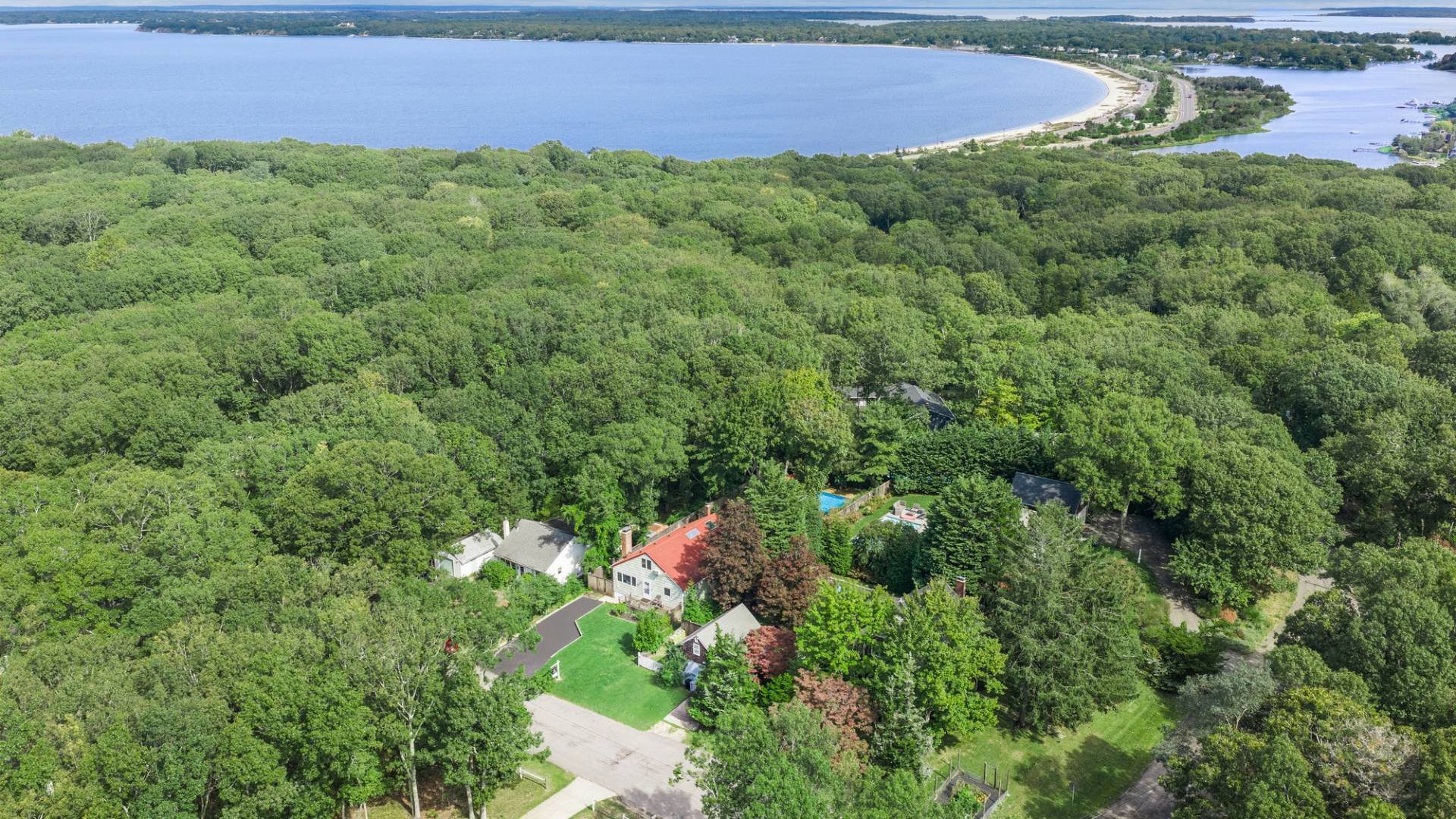
Sagaponack is an incorporated village of 770 people in the Town of Southampton, covering about 4.65 square miles between Bridgehampton and Wainscott, and it is the smallest and least commercial market on this site by a wide margin. It was first settled around 1653 and known locally as Sagg. It became a village only in 2005, and for a specific reason: a proposed village called Dunehampton would have taken in the beachfront and cut Sagaponack off from its own ocean access, so residents incorporated to control their boundaries and their development. Anyone comparing Sagaponack homes for sale is looking at a village whose defining characteristic is what has not been built on it.
The scarcity shows up in the rankings. ZIP 11962 has been named the most expensive ZIP code in the United States in several years including 2009, 2015, and 2018, and second most expensive for several consecutive years after that, with reported medians ranging from about $3.875 million in a soft 2020 reading to $8.5 million in 2018 depending on the source and the window measured. Read all of those carefully, for two reasons. First, they are ZIP-code figures, and ZIP 11962 covers more ground than the incorporated village. Second, Sagaponack is not broken out separately in the brokerage report the local industry treats as authoritative, which reports it inside a combined market with Bridgehampton and Water Mill that came to a median of $5,100,000 on 171 sales in 2025. More recent single-source readings put Sagaponack itself between roughly $6 million and $7.5 million.
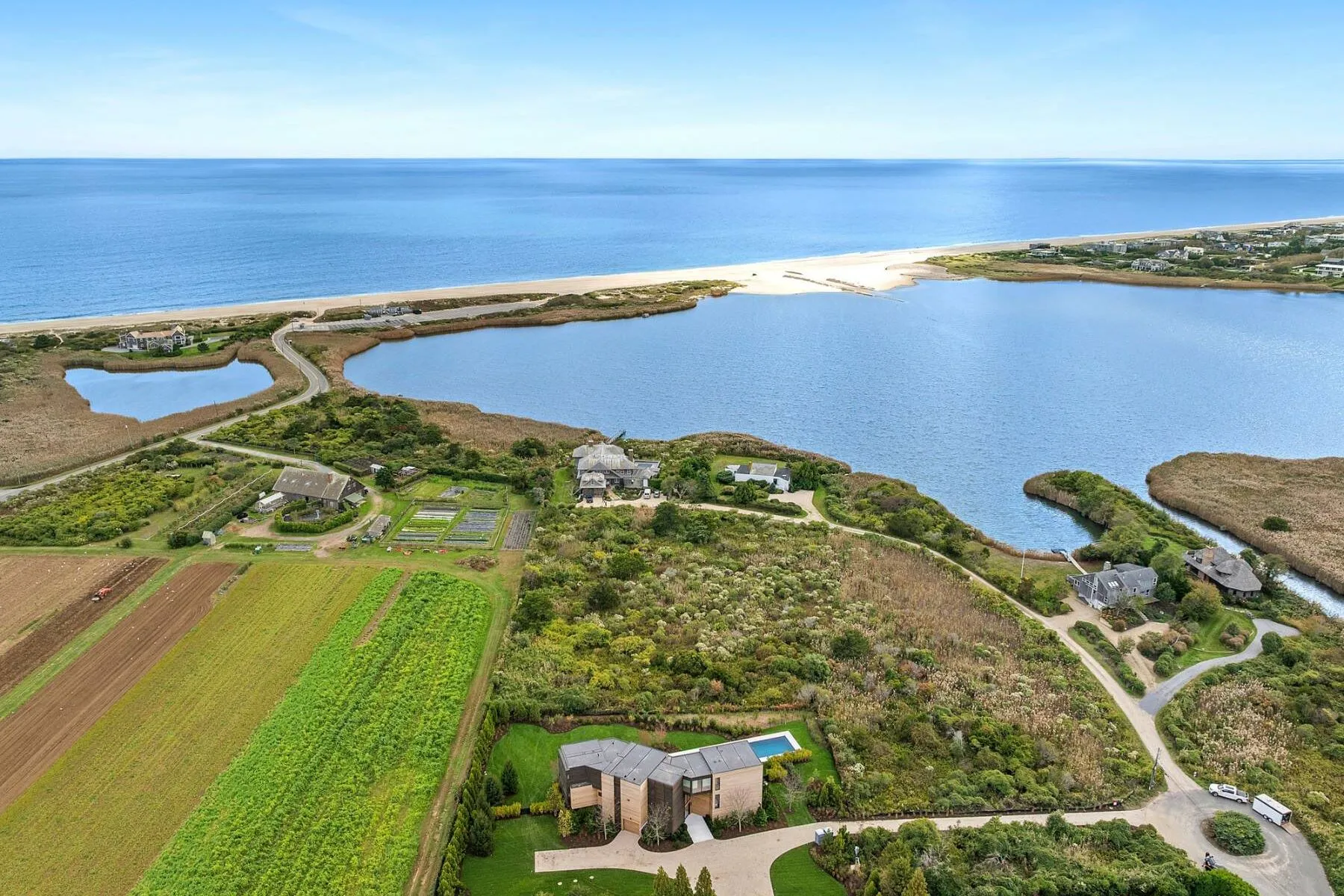
What the money buys is negative space and a coastline. The village has, in total, one commercial building and one public building: the general store and post office from about 1880, reopened in 2025 after a restoration, and the red one-room schoolhouse from about 1885. Both sit in the Sagaponack Historic District, which runs as a spine along Sagg Main Street and takes in over 130 buildings, sites, and structures, the oldest house dating to around 1692. There are no restaurants and no shopping. The oceanfront estates sit on Daniels Lane, Gibson Lane, Peters Pond Lane, and Potato Lane, the farmland behind them is substantially protected by agricultural reserves, and the practical effect is that a Sagaponack buyer is paying for the guarantee that the view will not change.
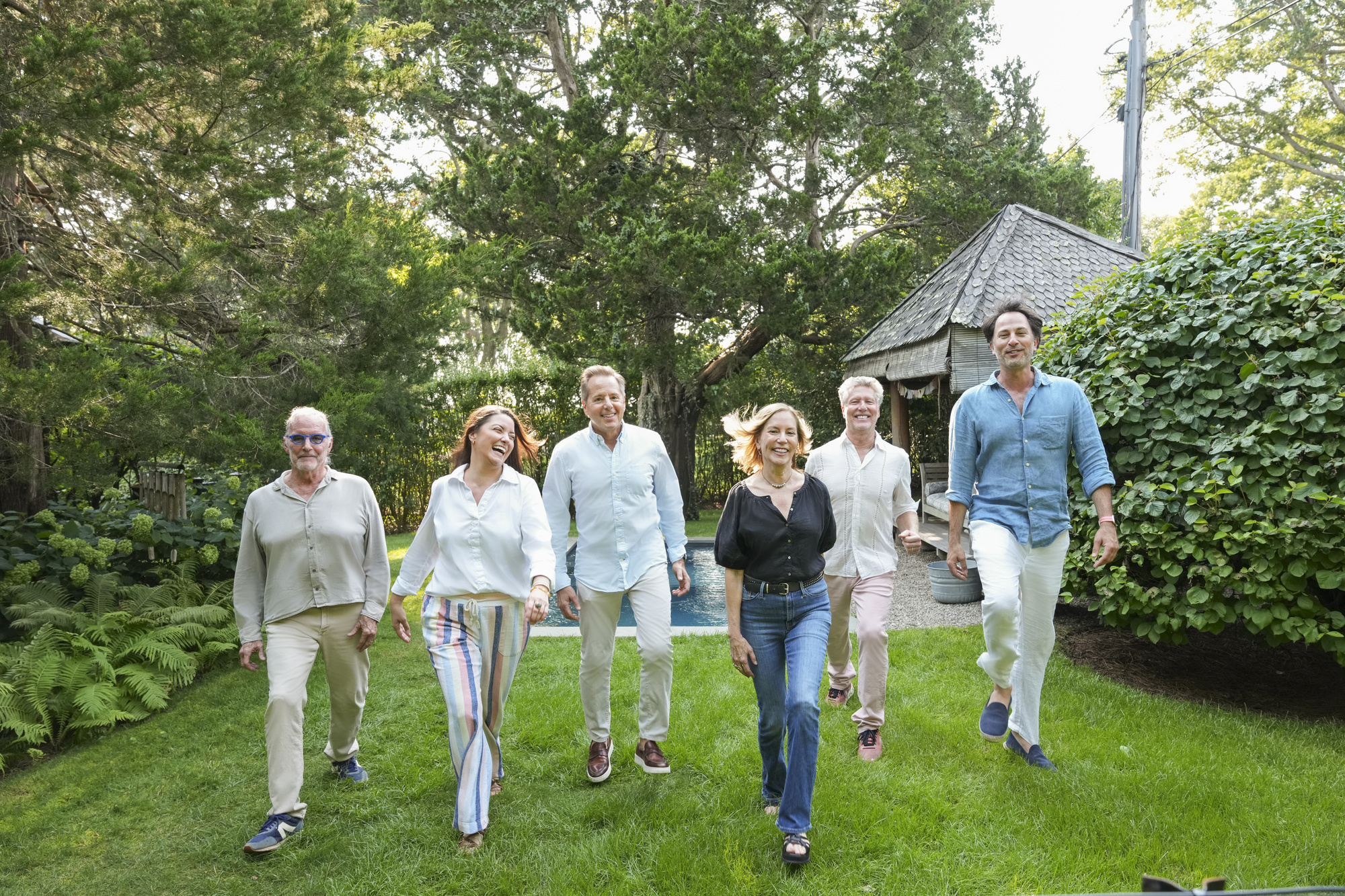
A market this small and this quiet rewards knowing what has actually traded, because published statistics for 770 people are close to meaningless in any given quarter. The CeeJackTeam has worked the East End since 2006. Cee Scott Brown and Jack Pearson, with Partner Agent Denise Wilder, bring over 60 years of combined experience and over $1.5 billion in sales volume, and have been named Top Producer 13 years in a row, with a place on the Top Producer Presidents Council for 10 of those years. Since joining Compass in 2020 the team has closed 425+ deals from Westhampton to Montauk. The office at 84 Main Street in Sag Harbor is about fifteen minutes north, and the team runs a dedicated rental operation, which matters here because Sagaponack's summer rental market is one of the strongest per-property markets in the Hamptons. Responsive, respectful, real.
The general store and post office from about 1880 is the only commercial building in Sagaponack, and the red one-room schoolhouse from about 1885 is the only public one. There are no restaurants and no retail. The store reopened in 2025 after a restoration and now sells produce, flowers, baked goods, breakfast sandwiches, rotisserie chickens, and pantry staples. That is the extent of commerce in a village of 4.65 square miles.
One Shop and One School in the Whole Village.
The general store and post office from about 1880 is the only commercial building in Sagaponack, and the red one-room schoolhouse from about 1885 is the only public one. There are no restaurants and no retail. The store reopened in 2025 after a restoration and now sells produce, flowers, baked goods, breakfast sandwiches, rotisserie chickens, and pantry staples. That is the extent of commerce in a village of 4.65 square miles.
Sagaponack became a village in 2005 after a proposed village called Dunehampton threatened to take the beachfront and cut the community off from its own ocean access. Residents incorporated to control their boundaries and their zoning. Agricultural reserves protect much of the farmland behind the dunes, which is why the fields between the highway and the ocean are still fields.
A Village That Incorporated to Stay Empty.
Sagaponack became a village in 2005 after a proposed village called Dunehampton threatened to take the beachfront and cut the community off from its own ocean access. Residents incorporated to control their boundaries and their zoning. Agricultural reserves protect much of the farmland behind the dunes, which is why the fields between the highway and the ocean are still fields.
The Sagaponack Historic District runs as a spine along Sagg Main Street and takes in over 130 buildings, sites, and structures, with the oldest house dating to roughly 1692. Wood-frame houses from the village's earliest days stand alongside Victorian-era homes from the late nineteenth century and shingle-style and Colonial Revival houses from the twentieth.
Houses Standing Since About 1692.
The Sagaponack Historic District runs as a spine along Sagg Main Street and takes in over 130 buildings, sites, and structures, with the oldest house dating to roughly 1692. Wood-frame houses from the village's earliest days stand alongside Victorian-era homes from the late nineteenth century and shingle-style and Colonial Revival houses from the twentieth.
Sagg Main Beach is the village's main ocean beach, a Town of Southampton beach with full amenities and a Monday evening drum circle through the summer. Gibson Beach at the end of Gibson Lane and Peters Pond Beach are smaller and quieter with far fewer spaces. Sagg Pond forms the western edge and Town Line Beach the eastern, so the village has ocean and pond frontage across a very short coastline.
Three Beaches and Very Few People.
Sagg Main Beach is the village's main ocean beach, a Town of Southampton beach with full amenities and a Monday evening drum circle through the summer. Gibson Beach at the end of Gibson Lane and Peters Pond Beach are smaller and quieter with far fewer spaces. Sagg Pond forms the western edge and Town Line Beach the eastern, so the village has ocean and pond frontage across a very short coastline.
The Madoo Conservancy at 618 Sagg Main Street is the nearly two-acre garden the artist, gardener, and writer Robert Dash established in 1967 and left to the public, with brightly painted follies, themed gardens, exhibitions, classes, and concerts. The Sagaponack Sculpture Field, donated to the Parrish Art Museum by the collectors Louis K. and Susan Pear Meisel, holds large-scale work in the open.
Madoo and the Sculpture Field.
The Madoo Conservancy at 618 Sagg Main Street is the nearly two-acre garden the artist, gardener, and writer Robert Dash established in 1967 and left to the public, with brightly painted follies, themed gardens, exhibitions, classes, and concerts. The Sagaponack Sculpture Field, donated to the Parrish Art Museum by the collectors Louis K. and Susan Pear Meisel, holds large-scale work in the open.
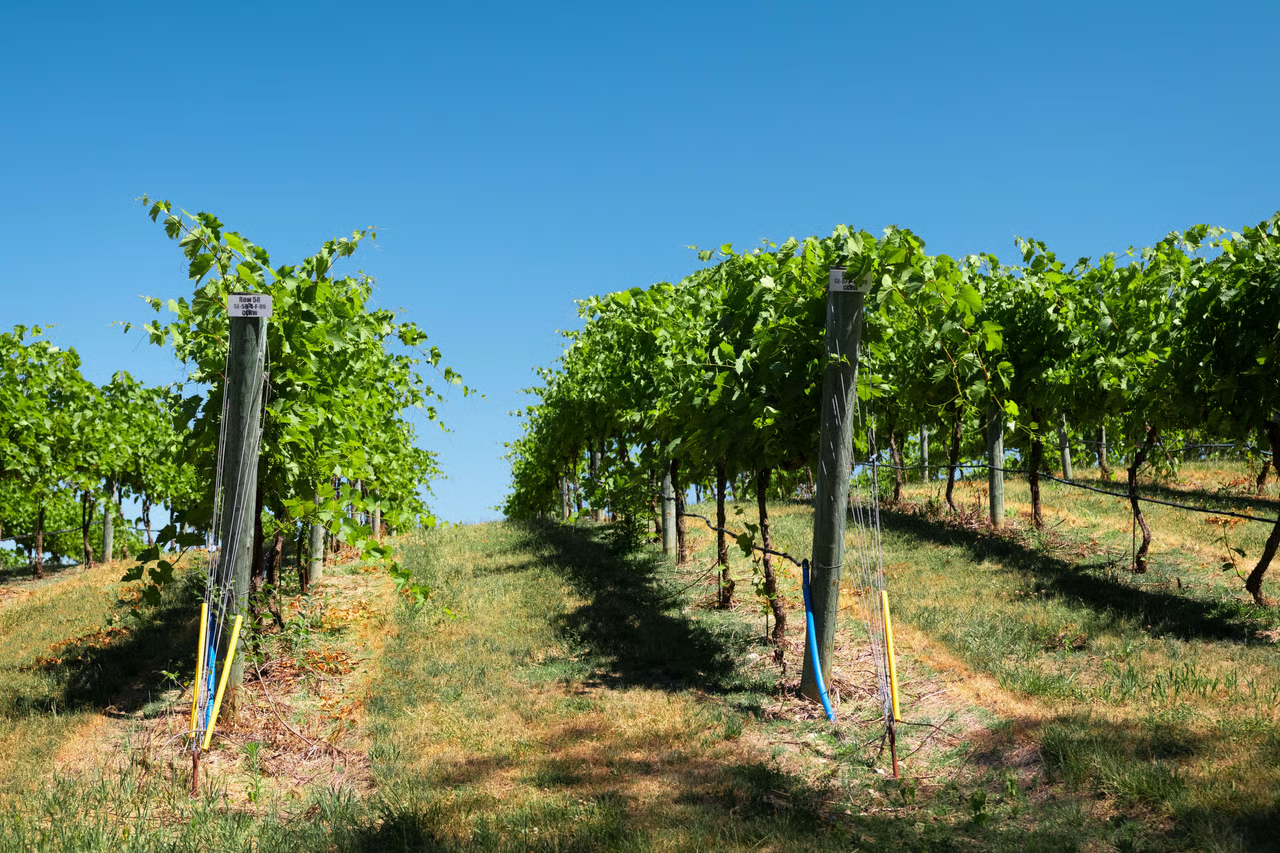
Wolffer Estate Vineyard on Sagg Road has been making wine here since 1987, and its Wine Stand on Montauk Highway pours through the season with live music on weekend evenings. The Sagaponack Farm Distillery on Sagg Road makes spirits in a former dairy barn. Pike Farms and the village farm stands handle produce. It is a strange and rather good substitute for a commercial strip.
Wine, Spirits, and Farm Stands Instead of Restaurants.
Wolffer Estate Vineyard on Sagg Road has been making wine here since 1987, and its Wine Stand on Montauk Highway pours through the season with live music on weekend evenings. The Sagaponack Farm Distillery on Sagg Road makes spirits in a former dairy barn. Pike Farms and the village farm stands handle produce. It is a strange and rather good substitute for a commercial strip.

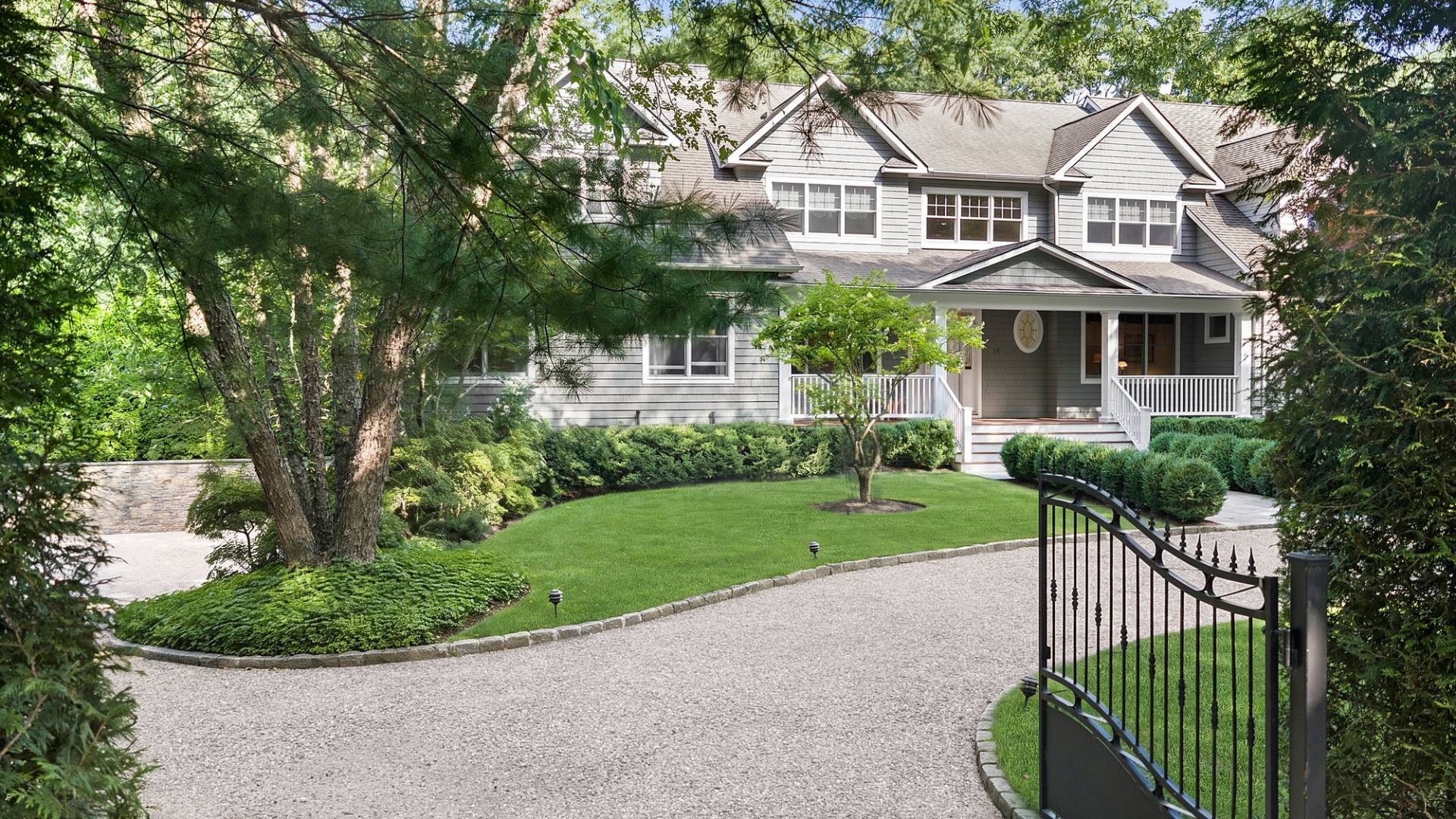
Sagaponack South is the local designation for everything below Montauk Highway, and the oceanfront lanes within it hold the most valuable land in the village and some of the most valuable in the country. Daniels Lane is the signature address, running parallel to the dune with estates on multiple acres, and Gibson Lane, Peters Pond Lane, Potato Lane, and Beach Lane fill in the rest. Houses range from restored eighteenth and nineteenth-century farmhouses and barns through shingle-style estates to significant modern builds, generally on one to five acres and often with ocean views over protected reserve land rather than over neighbors. An ultra-modern oceanfront house at 25 Potato Lane sold at $20.5 million in 2020, and a compound on just over three acres was offered at $28.8 million in recent marketing. Much of what trades at this level never reaches a public listing.

Sagg Main Street is the village's spine and the heart of the Sagaponack Historic District, which takes in over 130 buildings, sites, and structures. Along it and the lanes off it you will find the oldest housing stock in the village, including wood-frame houses dating back to roughly 1692, Victorian-era homes, and early twentieth-century shingle-style and Colonial Revival houses, generally on smaller parcels than the estate lanes. The general store and post office, the one-room schoolhouse, and the Madoo Conservancy are all on this street. Buyers here are usually choosing character and history over acreage, and should expect that work on a historic property in the district will involve more process than a new build elsewhere.
.jpeg)
Sagg Pond, also called Sagaponack Pond, forms the village's western boundary with Bridgehampton, and the lanes running down toward it, including Parsonage Lane and Hedges Lane, hold farmhouses and traditional Hamptons houses set well back from tree-lined roads. What defines this band is pond frontage or pond views combined with agricultural reserve outlook, which is a rarer combination than oceanfront and appeals to a different buyer. Brokers have described trades here as among the highest ever recorded on Sagg Pond, though those figures are not independently confirmed. Buyers should confirm what the reserve designations on adjoining land actually permit, because much of the value here rests on the assumption that the view is permanent.

North of Montauk Highway the village opens into working agricultural land and the small cluster of enterprises that pass for commerce here. Wolffer Estate Vineyard and the Sagaponack Farm Distillery are both on Sagg Road, Wolffer Estate Stables occupies over a hundred acres, and Poxabogue County Park and Poxabogue Pond sit on the Bridgehampton border. Housing is a mix of farmhouses, converted barns, traditional houses, and newer construction on larger parcels, with vineyard and field views rather than water. This is where Sagaponack is most attainable, and the trade is that you are a drive rather than a walk from the beach.
Bridgehampton is immediately west across Sagg Pond and is where Sagaponack residents do most of their shopping and dining; the two are reported together in market data. Water Mill lies beyond it and is grouped in the same reporting. Wainscott is immediately east across Town Line Road, in the Town of East Hampton, which means a different town, a different school district, and a different beach permit. Sag Harbor Village is about fifteen minutes north and is the nearest walkable downtown. Each has a full guide on this site.
Browse current Sagaponack homes for sale, from farmhouses and converted barns north of the highway to historic houses on Sagg Main Street and oceanfront estates on Daniels Lane.
.jpg)
A nearby dining destination with a strong selection of restaurants, just minutes west of Sagaponack.
A walkable village with one of the East End’s broadest year-round dining selections, about 15 minutes away.
A nearby village offering additional restaurants, shops, and year-round amenities, roughly 10–15 minutes east.
Sagaponack’s only commercial premises, offering produce, flowers, baked goods, breakfast sandwiches, prepared foods, pantry staples, and sweets.
For a full supermarket run and national retail, Bridgehampton Commons is about twenty minutes west.
Roadside farm stands and local farms offering fresh seasonal produce and provisions.
.jpg)
.jpg)
is the daily outdoor experience for Sagaponack residents. One of the most peaceful ocean beaches on the East End, seasonally permitted and genuinely uncrowded by Hamptons standards.
A smaller, quieter beach at the end of Gibson Lane with limited parking.
A peaceful local beach with fewer parking spaces and a quieter atmosphere.
An ocean beach located at Sagaponack’s eastern edge near Wainscott.
A quiet pond along the Bridgehampton border, ideal for paddling and birdwatching.
on Sagg Main Street is a two-acre garden conservancy founded by artist Robert Dash, open seasonally, and one of the most visited and genuinely beautiful small gardens in the Hamptons.
An open-air sculpture setting featuring large-scale works by notable contemporary artists.
A nearby open-space destination offering access to natural landscapes and the pond along the Bridgehampton border.
A large equestrian facility spanning more than 100 acres and offering riding activities.
A local riding facility located on Daniels Lane, adding to Sagaponack’s equestrian character.
Sagaponack's school arrangement is genuinely unusual and needs to be understood before you buy here, particularly if you have children. The village has its own district, the Sagaponack Common School District, and it operates a single one-room schoolhouse covering only the earliest grades. Children then continue their education in a neighboring district. This is not a drawback so much as a structure that suits some families very well and does not suit others at all, and either way it is not something to discover after closing.
Sagaponack School, known locally as the Little Red Schoolhouse and dating to about 1885, is one of the few remaining public one-room schoolhouses operating in the United States. It sits in the Sagaponack Historic District on Sagg Main Street and is the only public building in the village. It serves the youngest grades only, reported as prekindergarten through third grade, with multiple grade levels sharing one room and a student-to-teacher ratio far below anything a conventional district can offer. The curriculum meets New York State standards.
Because the district ends after the early grades, Sagaponack students continue in a neighboring district for the remainder of their education. In practice that has meant Bridgehampton, whose Union Free School District covers prekindergarten through grade 12 in a single building on Montauk Highway and which serves Sagaponack Common School District students, and the Sag Harbor district, whose stated service area includes part of Sagaponack and whose Pierson Middle-High School offers the International Baccalaureate Diploma Programme. Exactly which district applies, and whether families have any choice in it, depends on the address and the arrangements in force. Verify both with the districts before relying on either.
Independent options are close. The Hayground School is minutes west in Bridgehampton, and the Ross School operates its Lower School on a farmland campus in Bridgehampton with its Upper School in East Hampton for grades 7 through 12 plus a postgraduate year. Our Lady of the Hamptons Regional Catholic School is a longer run west, in Southampton Village. For higher education, Stony Brook University maintains its Southampton campus about twenty minutes west, and Suffolk County Community College's Eastern Campus is in Riverhead.
Approximately 4.65 square miles, of which about 4.41 is land
One commercial building in the entire village, the general store and post office dating to about 1880 and reopened in 2025. No restaurants and no retail
First settled around 1653; incorporated as a village on September 2, 2005, after a proposed village of Dunehampton threatened the community's ocean access
An incorporated village in the Town of Southampton, with its own mayor, board, and zoning, plus a village tax on top of town and county taxes. The Town's Peconic Bay transfer tax applies to purchases
Sagaponack is not reported separately in the main brokerage market report; it is grouped with Bridgehampton and Water Mill, a combined market with a median of $5,100,000 on 171 sales in 2025
770 year-round (2020 Census, Incorporated Village of Sagaponack); summer population is far higher
ZIP 11962 has been ranked the most expensive in the United States in several years including 2009, 2015, and 2018, and second most expensive for several consecutive years, with reported medians ranging from about $3.875 million to $8.5 million depending on source and period
Sagaponack Common School District operates a single one-room schoolhouse covering the earliest grades only; students continue in a neighboring district afterwards. Verify by address
No LIRR station in Sagaponack; the nearest are Bridgehampton and East Hampton on the Montauk Branch. Hampton Jitney serves the highway; Montauk Highway is the through road
11962. Note that the ZIP covers an area larger than the village, so ZIP-based price statistics describe more than Sagaponack itself
There is no single reliable published median for the village, and the figures in circulation need reading carefully. Sagaponack is not broken out in the brokerage report the local industry treats as authoritative, which groups it with Bridgehampton and Water Mill in a combined market that came to a median of $5,100,000 on 171 sales in 2025. The famous rankings that place ZIP 11962 first or second most expensive in the United States, with medians reported anywhere from about $3.875 million to $8.5 million depending on the year and the source, are ZIP-code figures, and ZIP 11962 covers an area larger than the incorporated village. More recent single-source readings put Sagaponack itself between roughly $6 million and $7.5 million. In a village of 770 people that records a handful of sales a year, ask for recent comparables in the specific pocket you are looking at rather than a village-wide median. We can pull those.
Because of what is not there. The village is about 4.65 square miles with 770 year-round residents, one commercial building, and no restaurants or retail, and much of the farmland between Montauk Highway and the dune line is protected by agricultural reserves. Residents incorporated as a village in 2005 specifically to control development, after a proposed village called Dunehampton threatened to take the beachfront and cut the community off from its own ocean access. The result is that a Sagaponack buyer is paying for a guarantee that the view will not change, on a short stretch of coast with very limited inventory. Prices consistently run above neighboring Bridgehampton and Water Mill despite Sagaponack having none of their amenities.
Sagaponack is an incorporated village in the Town of Southampton, so Sagaponack and Sagaponack Village are the same place. It incorporated on September 2, 2005, having previously been a census-designated place covering an area roughly 70 percent larger than the current village, which is why ZIP-based statistics overstate the village's footprint. Sagaponack South is the local designation for everything below Montauk Highway, running down to the ocean, and it is the premium market: Daniels Lane, Gibson Lane, Peters Pond Lane, Potato Lane, and Beach Lane. North of the highway the village opens into working farmland, vineyards, and larger parcels at considerably lower prices.
Effectively, no. The village has exactly one commercial building, the general store and post office dating to about 1880, which reopened in 2025 after a restoration and sells produce, flowers, baked goods, breakfast sandwiches, rotisserie chickens, soups, and pantry staples. There are no restaurants and no retail. What the village does have is Wolffer Estate Vineyard and its Wine Stand, the Sagaponack Farm Distillery in a converted dairy barn, and a set of farm stands including Pike Farms. For dining and shopping you drive: Bridgehampton is five minutes west, Sag Harbor Village about fifteen minutes north for the widest year-round dining on the East End, and East Hampton Village ten to fifteen minutes east. If walkable dining matters to you, Sag Harbor Village is the better fit and we will tell you so.
Unusual, and worth understanding before you buy. The Sagaponack Common School District operates a single one-room schoolhouse, known locally as the Little Red Schoolhouse and dating to about 1885, which is one of the few remaining public one-room schoolhouses in the country and the only public building in the village. It covers the earliest grades only, reported as prekindergarten through third grade, with multiple grade levels sharing one room and a curriculum meeting New York State standards. After that, students continue in a neighboring district, which has meant Bridgehampton, whose single-building district covers prekindergarten through grade 12, and the Sag Harbor district, whose Pierson Middle-High School offers the International Baccalaureate Diploma Programme. Which applies depends on the address and the arrangements in force, so verify both with the districts.
Sagg Main Beach is the principal ocean beach, a Town of Southampton beach with full amenities and a drum circle on Monday evenings through the summer. Gibson Beach at the end of Gibson Lane and Peters Pond Beach are smaller and quieter with far fewer parking spaces, and Town Line Beach sits where the village meets Wainscott. A Town of Southampton beach parking permit is required in season, with resident and non-resident options, and the Town permit is not valid at Southampton Village beaches such as Cooper's, which run on a separate village permit. No permit is needed on foot or by bicycle, which is a realistic option from many village addresses. Note that Mecox and W. Scott Cameron beaches are in Bridgehampton and Flying Point is in Water Mill, despite being frequently attributed to Sagaponack.
In a village where the published statistics measure the wrong area and a handful of sales set the whole year's numbers, what matters is working from actual comparables and knowing what is trading privately. The CeeJackTeam has worked the East End since 2006. Cee Scott Brown and Jack Pearson, with Partner Agent Denise Wilder, bring over 60 years of combined experience and over $1.5 billion in sales volume, have been named Top Producer 13 years in a row, and have held a place on the Top Producer Presidents Council for 10 of those years. Since joining Compass in 2020 the team has closed 425+ deals from Westhampton to Montauk, which takes in Sagaponack and every market it is compared against. Cee came out of two decades in the New York art world and Jack out of luxury fashion retail, useful in a village of protected historic houses and significant modern architecture. The team also works from the Compass office in Bridgehampton, five minutes west, so there is someone close by rather than driving in for showings. The team also runs a dedicated rental operation, which in Sagaponack is a serious market in its own right.

Sagaponack is a market where the published numbers describe the wrong area and a handful of trades set the tone for a whole year, so the useful conversation is about what has actually closed and what is quietly available. The CeeJackTeam has worked the East End since 2006, from farmhouses north of the highway to historic houses on Sagg Main Street and oceanfront on the estate lanes. For buyers, we will pull the comparables that matter, tell you what the reserve designations next door actually permit, and be straight about the school arrangement before you fall for the schoolhouse. For sellers, we will price against Sagaponack closings rather than a combined regional median. Call 516-457-7111 or email ceejackteam@compass.com to talk it through.